




Smarter Space, Better Sleep: Why Modern Murphy Beds Belong in Small Homes, ADUs, and Rentals
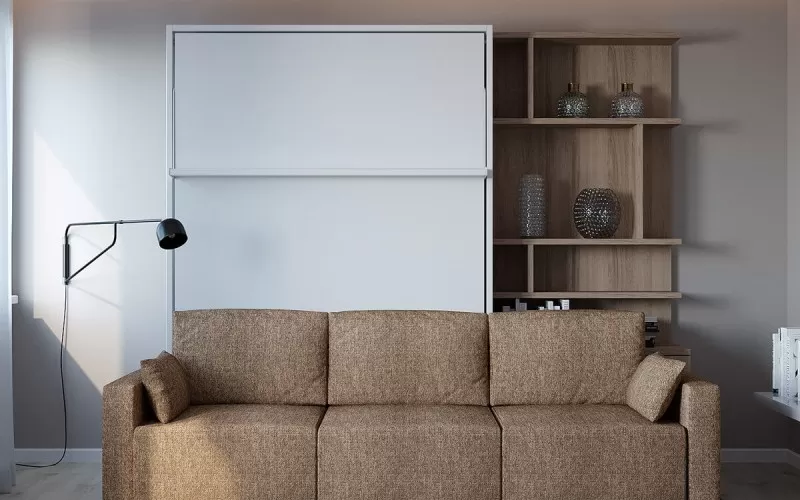
Tiny homes, city studios, and flexible guest rooms all face the same challenge: every square foot has to work harder. A modern Murphy bed (also called a wall bed) turns one room into two by folding a real mattress up into a sleek cabinet when it is not in use. Done right, you gain floor space in the day without sacrificing sleep quality at night.
What exactly is a Murphy bed today?
The classic pull-down frame has evolved into a quiet, counterbalanced system that makes lifting and lowering easy. Many models tuck into built-in cabinetry, with options for shelving, wardrobes, lighting, and outlets. You get a normal mattress on a supportive base, then hide it in plain sight.
Who benefits most
-
Studios and small apartments: Convert a living area to a bedroom in seconds.
-
Guest rooms that should be an office most days: Keep a desk, credenza, or bookcase active all week and host overnight visitors on weekends.
-
ADUs and in-law suites: One room can handle sleep, work, and lounge.
-
Short-term rentals: Higher guest comfort and better photos without crowding the space.
-
Teen rooms and multipurpose spaces: Open floors for homework, workouts, crafts, or play.
Common configurations to consider
-
Vertical vs. horizontal: Vertical works best under higher ceilings. Horizontal fits under windows or soffits and can leave more wall space for art or storage.
-
Bed with desk: The desktop stays level when the bed opens, so you do not have to clear it each night. Ideal for WFH setups.
-
Bed with sofa: A compact couch sits in front. At night, the backrest folds as the bed comes down.
-
Cabinetry add-ons: Side closets, drawers, and overheads make a single wall act like a full bedroom.
-
Lighting and power: Integrated LED strips, USB-A/USB-C, and outlets make the bed area functional.
Planning and measuring checklist
-
Ceiling height and projections: Confirm total bed height plus crown molding or sprinklers.
-
Clearance: Measure the bed’s open length and walking paths.
-
Wall structure: Identify studs or backing for safe anchoring.
-
Floor: Ensure levelness and verify any radiant heating zones before drilling.
-
Obstructions: Note baseboards, vents, thermostats, and outlets to avoid surprises.
-
Delivery path: Check elevator size, stair turns, and door widths.
Safety and build quality tips
Look for steel frames or reinforced wood, reliable counterbalance or piston systems, locking legs, and soft-close hinges. A wall bed must anchor into structure, not only drywall. Professional installation is worth it for alignment, safety, and warranty coverage. Add simple guest instructions and mattress straps so bedding stays put when stored.
Design ideas that make the room feel bigger
-
Choose lighter finishes or wood tones to bounce light.
-
Run cabinetry to the ceiling to draw the eye up.
-
Add slim sconces or integrated LEDs to layer light.
-
Use a low-pile rug that the frame can clear easily.
-
Style shelves with closed storage boxes to reduce visual noise.
Hosting and rental best practices
For short-term rentals, durable fabrics and wipeable finishes cut turnover time. Keep a labeled bin for spare linens near the bed. Include a one-page guide with Wi-Fi, check-out steps, and how to operate the bed. A quality queen mattress (10–12 inches for most systems) improves reviews and repeat bookings.
Budget and value
Expect quality Murphy beds to cost more than a standard bed frame, especially with cabinetry and installation. The return comes from reclaiming 30–40 square feet of usable space, upgrading listing photos, and avoiding the need for a larger lease or an extra room. For many households and hosts, the cost is less than a year of rent difference between unit sizes.
If your compact space doubles as a café, bar, or tasting room, remember that California requires Responsible Beverage Service training for alcohol service staff. You can learn more or enroll here: California RBS Server Certification
Final take
Murphy beds are not just a clever trick. They are a practical, design-forward way to unlock more living from the same footprint. Start by measuring, shortlist a few configurations that fit your ceiling and clearance needs, and choose finishes that match the room. With a thoughtful plan and proper installation, you can switch between day mode and night mode in under a minute and never feel short on space again.
Leave a comment